
Scoliosis surgery for adolescents and adults, to European standards
Scoliosis is more than a curve of the spine: in adolescents it can progress quickly during growth, and in adults it can cause pain, trunk imbalance and functional limitation. Surgical correction requires experience, technology and the right setting.
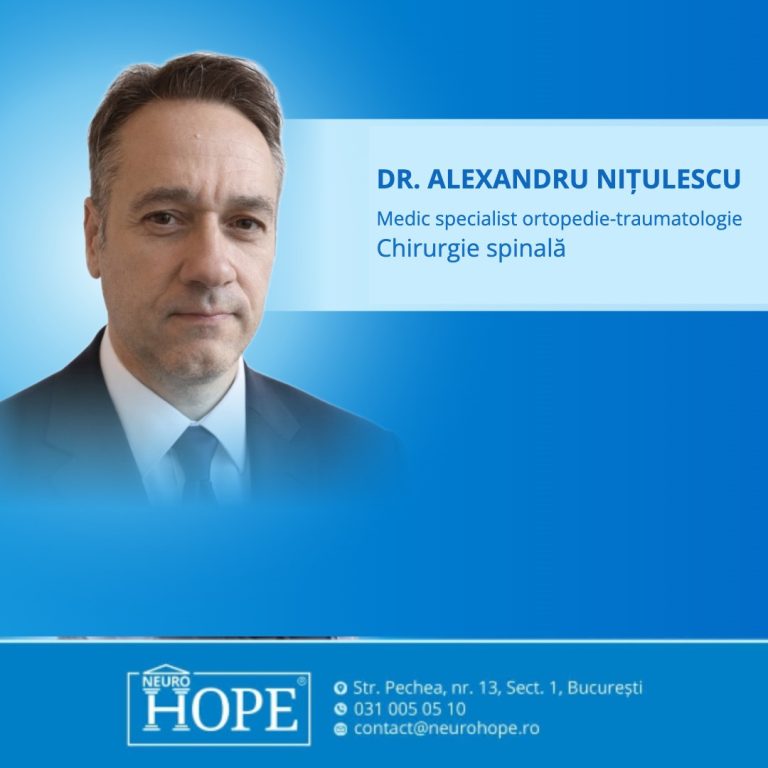
Specialists: Dr. Alexandru Nițulescu (orthopaedic spine surgeon) and Dr. Ionuț Gobej (neurosurgeon, spine surgery)
Consultations in English, French and Romanian · Română · Français
Our team
We are a team with Franco-British experience in spinal deformity surgery. In partnership with NeuroHope, we perform scoliosis correction surgery to European standards, in a modern setting in Bucharest, Romania.

What makes us different
Intraoperative navigation
Latest-generation Medtronic O-arm navigation, for precise placement of implants in the vertebrae.
Intraoperative neuromonitoring
Neurophysiological monitoring with evoked potentials, continuously checking spinal cord and nerve function throughout surgery.
International experience
A team with international experience in treating spinal deformities in adolescents and adults.
International patients
English- and French-speaking patients can be received, assessed and cared for in their own language.
Each case is assessed individually, and the treatment recommendation (observation, bracing or surgery) is agreed with the patient and family after a complete consultation.
Every surgical technology for any spinal problem
At NeuroHope we have all the surgical technologies needed to treat any surgical problem of the spine:
- dedicated anaesthesia team, TIVA
- intraoperative electrophysiology
- O-arm neuronavigation with intraoperative 3D imaging
- high-end ZEISS KINEVO 900 operating microscope
- high-end spinal endoscopy
- a team of surgeons trained to make the most of this technology
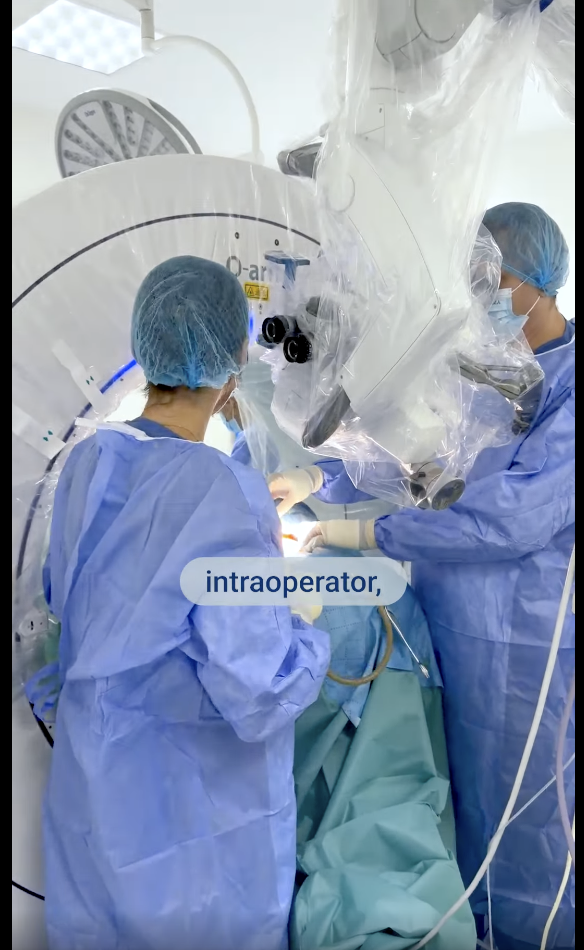
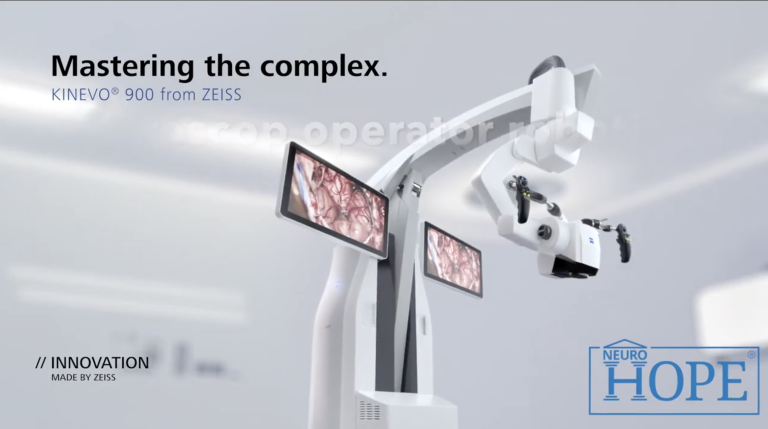
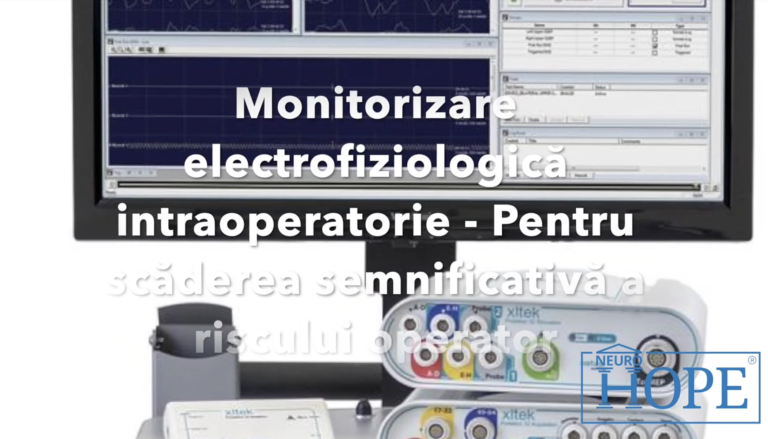
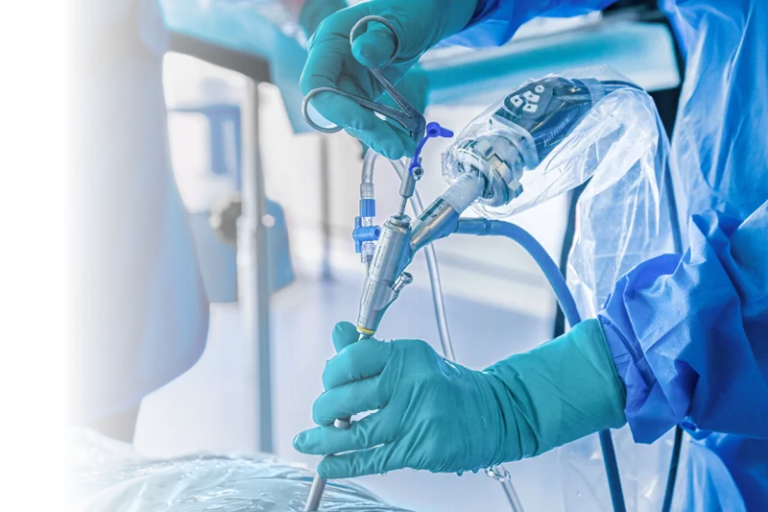
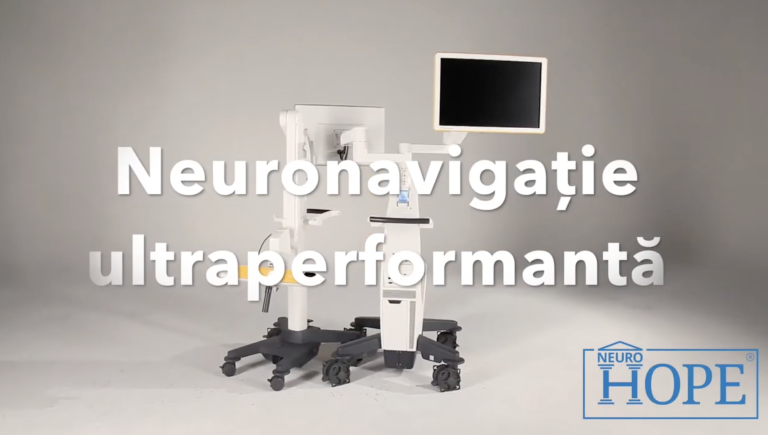
All these technologies are used by a team of surgeons trained to make the most of them, for more precise and safer surgery.
O-arm neuronavigation in the NeuroHope operating room (in Romanian)
▶ Watch on Facebook
Spine surgery at NeuroHope – Dr. Alexandru Nițulescu and Dr. Ionuț Gobej (in Romanian)
▶ Watch on Facebook
Scoliosis in adolescents and in adults
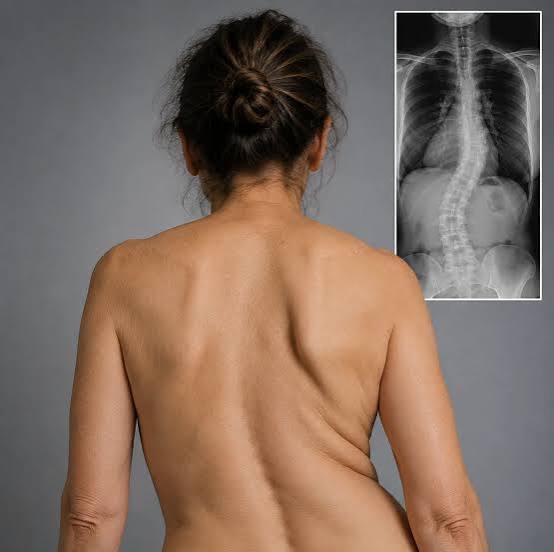
Adolescents
- most often idiopathic scoliosis, discovered during growth;
- clinical and X-ray follow-up, specific physiotherapy;
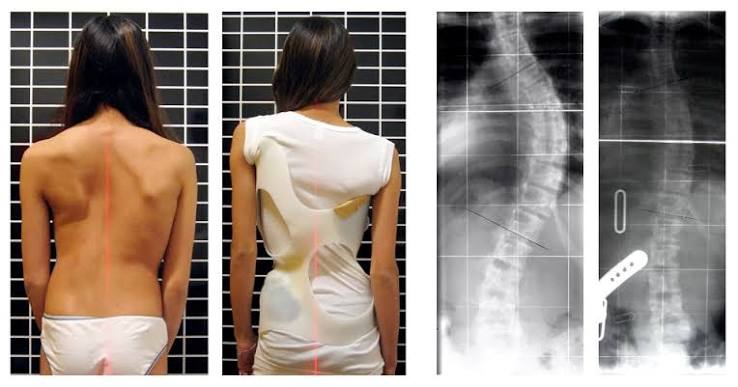
- brace treatment while the spine is still growing, to stop the curve from progressing;
- surgery for large or progressive curves: correction and stabilisation with instrumentation.
Adults
- persistent idiopathic scoliosis or degenerative (de novo) scoliosis;
- low back pain, spinal stenosis, trunk imbalance;
- conservative treatment: physiotherapy, pain management, injections;
- surgery when symptoms or imbalance do not respond: decompression, correction and instrumented fusion, planned individually.
Brace treatment
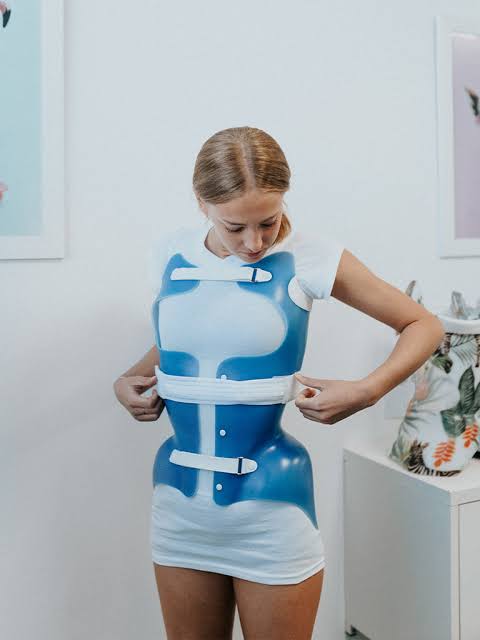
In growing children and adolescents, a brace (orthosis) can stop the curve from progressing. The brace is custom-made, worn according to a schedule set by the doctor, and its effect is checked with regular clinical and X-ray follow-up.
Dr. Alexandru Nițulescu – experience in spine and scoliosis surgery
Dr. Alexandru Nițulescu is an orthopaedic surgeon dedicated to spine surgery, with more than a decade of training and practice in the United Kingdom and France. His areas of expertise include spinal deformities such as adolescent and adult scoliosis.
- Spine surgery fellowships: Beilinson – Rabin Medical Center, Tel Aviv (Israel); Princess Alexandra Hospital (Harlow), Queen’s Medical Centre (Nottingham), Frenchay Hospital (Bristol), Great Western Hospital (Swindon) – United Kingdom;
- Spinal Consultant at Musgrove Park Hospital (United Kingdom);
- spine surgeon in France from 2013 to 2025: Hôpital Monod (Le Havre), Polyclinique de Saint-Côme (Compiègne), Clinique de Champagne (Troyes), Clinique Occitanie (Toulouse), Pôle Santé Sud (Le Mans);
- French Orthopaedic Society (SOFCOT) scholarship – spine surgery training at Hôtel-Dieu, Nantes;
- European Spinal Diploma (Eurospine) and university diploma in neurophysiology and intraoperative spinal cord monitoring (Bordeaux);
- training in endoscopic spine surgery and neuromodulation;
- registered with the General Medical Council (UK) and the French Medical Council.
Patient testimonials and cases
Scoliosis in children and adults, presented by Dr. Alexandru Nițulescu and patients (videos in Romanian).
Scoliosis – a child’s courage (testimonial)
▶ Watch on Facebook
Adult scoliosis – an 84-year-old patient
▶ Watch on Facebook
What is scoliosis
Scoliosis is a sideways curvature of the spine, usually combined with rotation of the vertebrae. It is measured on a full-spine X-ray using the Cobb angle. Not every scoliosis needs surgery: many curves are monitored or treated conservatively.
Idiopathic
The most common type; appears in adolescence or persists into adulthood.
Degenerative (de novo)
In adults, due to wear of the discs and facet joints.
Neuromuscular and congenital
Associated with neuromuscular conditions or present from birth.
Kyphosis and sagittal imbalance
Other spinal deformities, assessed in the same way.
When to ask for an assessment
- uneven shoulders, waist or rib cage;
- persistent low back pain or fatigue when standing and walking;
- numbness or weakness in the legs;
- progression of the curve at follow-up, especially in growing children and adolescents.
How we assess
1. Consultation
Clinical examination of posture and balance, and neurological examination.
2. Full-spine X-ray
Standing, front and side views: Cobb angle and spinal balance.
3. MRI / CT if needed
For stenosis, nerve compression or surgical planning.
4. Team decision
The spine surgeons agree the treatment plan together with you.
Conservative or surgical treatment
Conservative
Regular follow-up, specific physiotherapy, bracing in growing children and adolescents, pain management and rehabilitation.
Surgical
Considered for curve progression, large curves, spinal imbalance, nerve compression or pain that does not respond to conservative treatment. Surgery corrects and stabilises the spine (instrumented fusion), planned individually.
Thresholds in the literature are indicative (for example, adolescent curves above ~40–45° Cobb may require surgery, while symptomatic adult lumbar scoliosis may need fusion at lower values). The decision depends on age, skeletal maturity, symptoms and quality of life.
International patients
Consultations and treatment planning can be held in English or French. Send your full-spine X-rays and medical reports online for a free first opinion, then book an online consultation or a visit to our clinic in Bucharest. contact@neurohope.ro · +40 31 005 05 10
